Smart Thermostats Guide: The Must-Have Affordable Upgrade for Your Home
In today’s world of smart technology, upgrading your home has never been more accessible—or affordable. A smart thermostat is an increasingly popular upgrade that combines convenience, energy efficiency, and cost savings. This smart thermostats guide will walk you through why investing in one is a smart decision, what features to look for, and how this simple device can transform your daily comfort and utility bills.
What Is a Smart Thermostat?
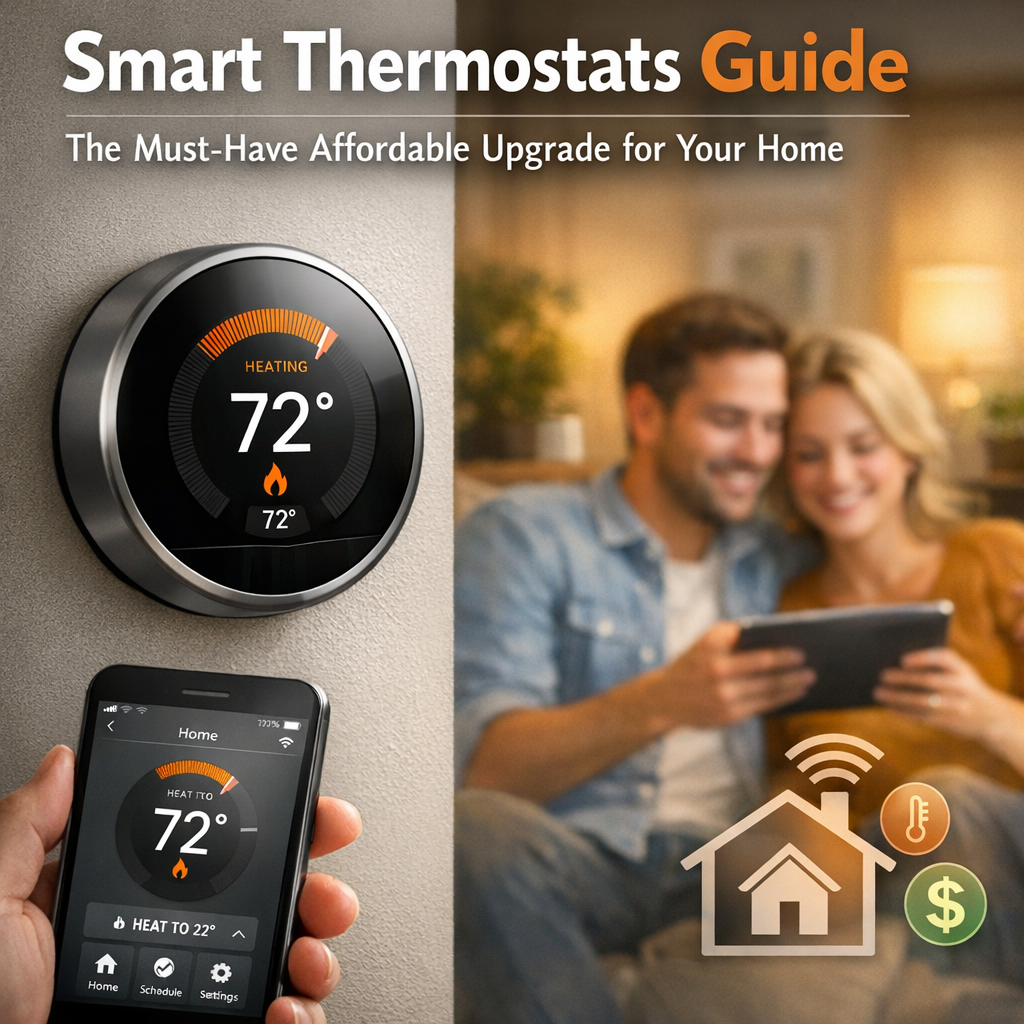
A smart thermostat is a digital thermostat that connects to your home Wi-Fi network, giving you control over your heating and cooling systems from virtually anywhere via a smartphone app. Unlike traditional thermostats, which require manual adjustments, smart thermostats use sensors, machine learning, and internet connectivity to optimize your home’s temperature automatically.
These devices can learn your schedule, adjust settings based on the weather, and even detect when you’re away, ensuring your home is always comfortable without wasting energy. The benefits go beyond just temperature control — they help reduce energy consumption and lower utility bills over time.
Why Smart Thermostats Are the Must-Have Affordable Upgrade
Installing a smart thermostat is one of the most cost-effective improvements you can make to increase your home’s energy efficiency. Here’s why this upgrade merits serious consideration:
1. Energy Savings
One of the primary reasons homeowners choose smart thermostats is the promise of reducing energy usage. By tailoring your heating and cooling schedule to your lifestyle, a smart thermostat prevents energy wastage caused by inefficient manual settings. According to studies, a smart thermostat can save you up to 10-15% on heating and cooling costs annually.
2. Convenience and Remote Access
Imagine heading home on a chilly winter day and adjusting the temperature just before you arrive. Smart thermostats allow for this level of convenience by enabling remote temperature control through your smartphone or voice assistants like Alexa, Google Assistant, or Siri.
3. Environmentally Friendly
Lowering your energy consumption directly reduces your carbon footprint. For environmentally conscious homeowners, installing a smart thermostat is an easy way to contribute to energy conservation efforts while maintaining comfort.
4. Integration with Other Smart Devices
Smart thermostats typically work seamlessly with other smart home devices. For example, pairing your thermostat with smart blinds or windows can further optimize energy efficiency. Some models can even interact with your calendar or detect when you’re home using your phone’s GPS.
Features to Look for in a Smart Thermostats Guide
With a variety of options available—from budget-friendly models to more advanced units—it’s essential to know what features suit your needs best. Here are some key features to prioritize when shopping for a smart thermostat:
Learning Capabilities
Some smart thermostats can learn your daily routines and adjust settings automatically, making manual adjustments unnecessary. These adaptive models offer enhanced convenience and efficiency.
Compatibility
Ensure that the thermostat you choose is compatible with your HVAC system. Most smart thermostats support standard heating and cooling systems, but complex setups may require specific models.
User-Friendly App and Interface
Look for devices with intuitive smartphone apps that make controlling and programming your thermostat simple. Real-time energy usage reports can also help you monitor savings and adjust habits accordingly.
Voice Control
If you use smart assistants, a thermostat with voice control capabilities can increase convenience, allowing you to change settings hands-free.
Scheduling and Geofencing
Scheduling lets you program temperature changes based on the time of day, while geofencing uses location tracking to automatically adjust settings when you leave or return home.
Installation Tips and Considerations
The good news is that many smart thermostats offer straightforward DIY installation. However, before you begin, consult your thermostat’s installation guide and check your HVAC compatibility. Here are a few tips to ensure smooth installation:
– Turn off power to your HVAC system before starting installation.
– Take a photo of your current thermostat wiring for reference.
– Use the included labels to identify wires during removal.
– Consult online tutorials or customer support if you encounter issues.
If you’re uncomfortable working with electrical wiring, hiring a professional installer is a wise option.
Final Thoughts: Your Path to a Smarter Home
This smart thermostats guide illustrates that upgrading your home heating and cooling system with a smart thermostat is a practical, affordable way to enhance comfort, save money, and reduce environmental impact. With user-friendly features, remote access, and energy-saving technology, smart thermostats have become an essential component of modern, connected homes.
Whether you’re looking to lower your energy bills, simplify temperature control, or modernize your home, a smart thermostat is a straightforward upgrade that delivers long-term benefits. Explore your options, consider your needs, and start your journey toward a more efficient, smarter home today.