Connected Home Guide: The Ultimate Must-Have for Effortless Living
In today’s digital age, a connected home guide has become an essential resource for anyone looking to embrace the convenience and efficiency of smart living. With technology advancing at an unprecedented rate, homes are no longer just spaces for relaxation—they have transformed into intelligent environments that can automate tasks, increase security, and enhance comfort. This guide will walk you through the key components, benefits, and practical tips for creating a connected home that truly elevates your lifestyle.
What is a Connected Home?
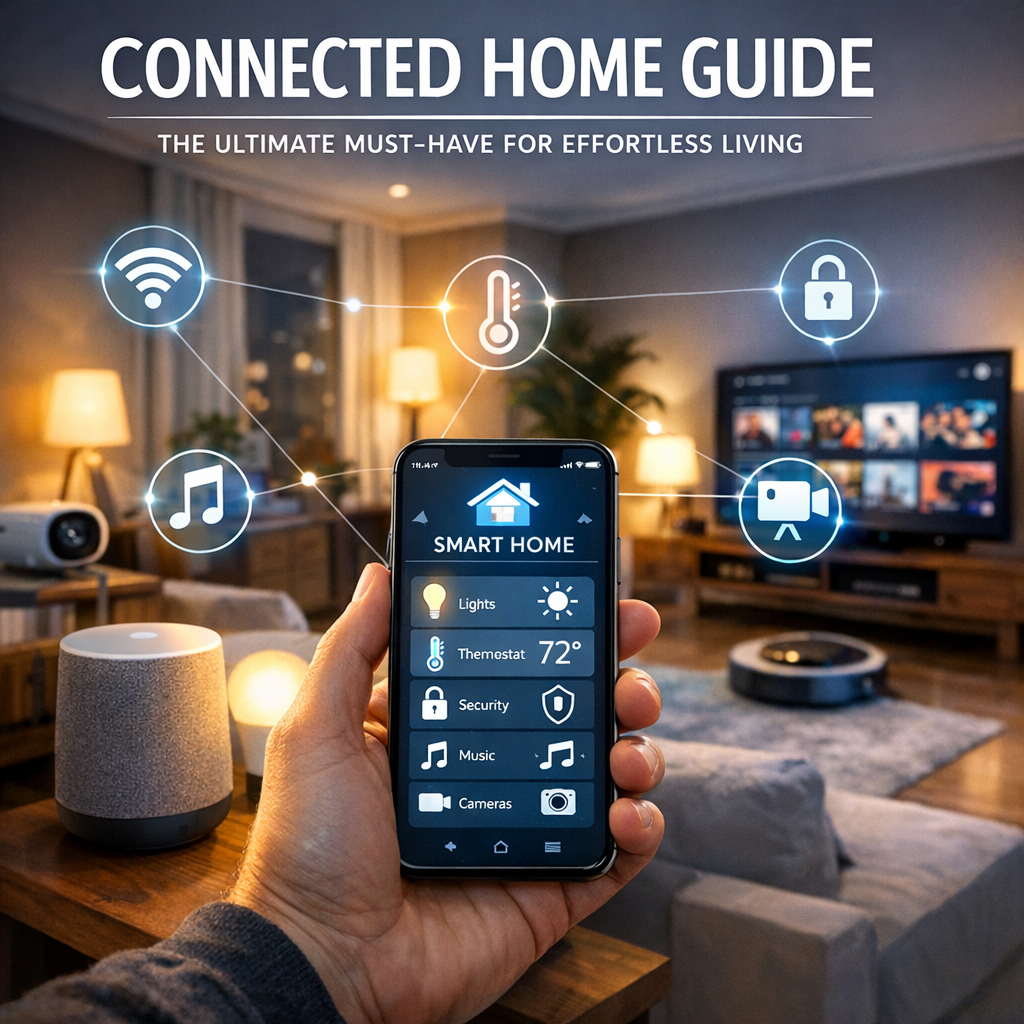
A connected home, often referred to as a smart home, is a living space where various devices and systems are linked through a network, typically allowing for remote access and automation. These devices can range from smart thermostats and lighting to security systems and entertainment units. The goal is to create a seamless experience where technology works behind the scenes, making daily routines simpler and more enjoyable.
Why You Need a Connected Home Guide
Setting up a connected home can feel overwhelming given the plethora of gadgets and platforms available. This is where a connected home guide becomes invaluable. It provides clarity on which devices offer the best functionality, how to integrate them, and tips for maintaining security and privacy. Whether you’re a beginner or someone looking to upgrade existing smart devices, the guide helps streamline decisions, saving you time and money while maximizing benefits.
Key Components of a Connected Home
Smart Hubs and Assistants
A smart hub is the brain of the connected home. It manages communication between devices, enabling them to work in harmony. Popular options include Amazon Echo, Google Nest Hub, and Apple HomePod. Voice assistants integrated into these hubs allow you to control devices hands-free, set reminders, and even manage your day more efficiently.
Lighting and Climate Control
Smart lights and thermostats are among the most common connected home devices. They allow you to adjust brightness, color, and temperature remotely or through automation. For example, you can program your thermostat to lower the temperature while you’re away and warm up the house as you return, helping you save on energy bills without sacrificing comfort.
Security Systems
Modern security systems incorporate cameras, doorbells, motion detectors, and smart locks. Integration via a central hub enables you to monitor your home in real-time, receive alerts about suspicious activities, and control locks even when you’re not around. This level of security adds not only convenience but peace of mind.
Entertainment and Appliances
Connected entertainment systems provide multi-room audio, streaming capabilities, and voice control. Meanwhile, smart appliances such as refrigerators, ovens, and washing machines offer features like remote monitoring and diagnostic alerts to optimize usage and maintenance.
Benefits of a Connected Home
Convenience and Automation
One of the biggest advantages of a connected home is the ability to automate tasks. Imagine arriving home to lights already turned on, your favorite music playing, and the room at the perfect temperature—all without lifting a finger.
Energy Efficiency
Smart home devices can significantly reduce energy consumption by optimizing heating, cooling, and lighting. Many systems provide detailed reports, helping you understand your usage patterns and identify opportunities for savings.
Enhanced Security
With continuous monitoring and instant alerts, smart home security systems provide immediate awareness of any unusual activity, allowing for quick intervention and protection of your property.
Accessibility
For people with mobility challenges or elderly family members, connected homes can be life-changing. Voice control, automated routines, and remote monitoring improve accessibility and safety, helping users maintain independence.
How to Start Your Connected Home Journey
Assess Your Needs
Before purchasing any devices, think about your daily habits and which areas of your home could benefit from automation or enhanced control. Prioritize solutions that provide real, practical value.
Choose a Compatible Ecosystem
Selecting a primary smart home ecosystem helps ensure that your devices communicate well with each other. Whether you prefer Amazon Alexa, Google Assistant, or Apple HomeKit, stick to one platform to avoid compatibility nightmares.
Start Small and Expand Gradually
Begin with a few key devices like smart bulbs or a security camera. Test how they work and fit into your lifestyle before scaling up. This approach helps you avoid investing heavily in equipment you might not fully use.
Focus on Security
Ensure your home network is secure with strong passwords and updated firmware. Since connected homes rely heavily on the internet, protecting your data and privacy should be a top priority.
Future Trends in Connected Homes
Looking ahead, the connected home concept is evolving toward even greater integration with artificial intelligence, predictive analytics, and enhanced inter-device communication. Emerging technologies promise homes that adapt intuitively to your behaviors and preferences, taking effortless living to the next level.
—
In conclusion, a connected home guide is your ultimate resource for transforming your living space into a smart environment tailored to your needs. It takes the guesswork out of choosing and implementing technology while highlighting the remarkable benefits of connected living. By thoughtfully adopting devices and systems, you can enjoy a home that is safer, more efficient, and far easier to manage—effortless living at its finest.