Smart Home Devices Guide: Must-Have Tools for Effortless Living
In today’s technology-driven world, the concept of a connected home is more accessible than ever. A comprehensive smart home devices guide can help you transform ordinary living spaces into efficient, convenient, and secure environments tailored to your lifestyle. Whether you are a beginner curious about smart gadgets or someone looking to upgrade your current setup, understanding the must-have tools for effortless living is essential.
Why Invest in Smart Home Devices?
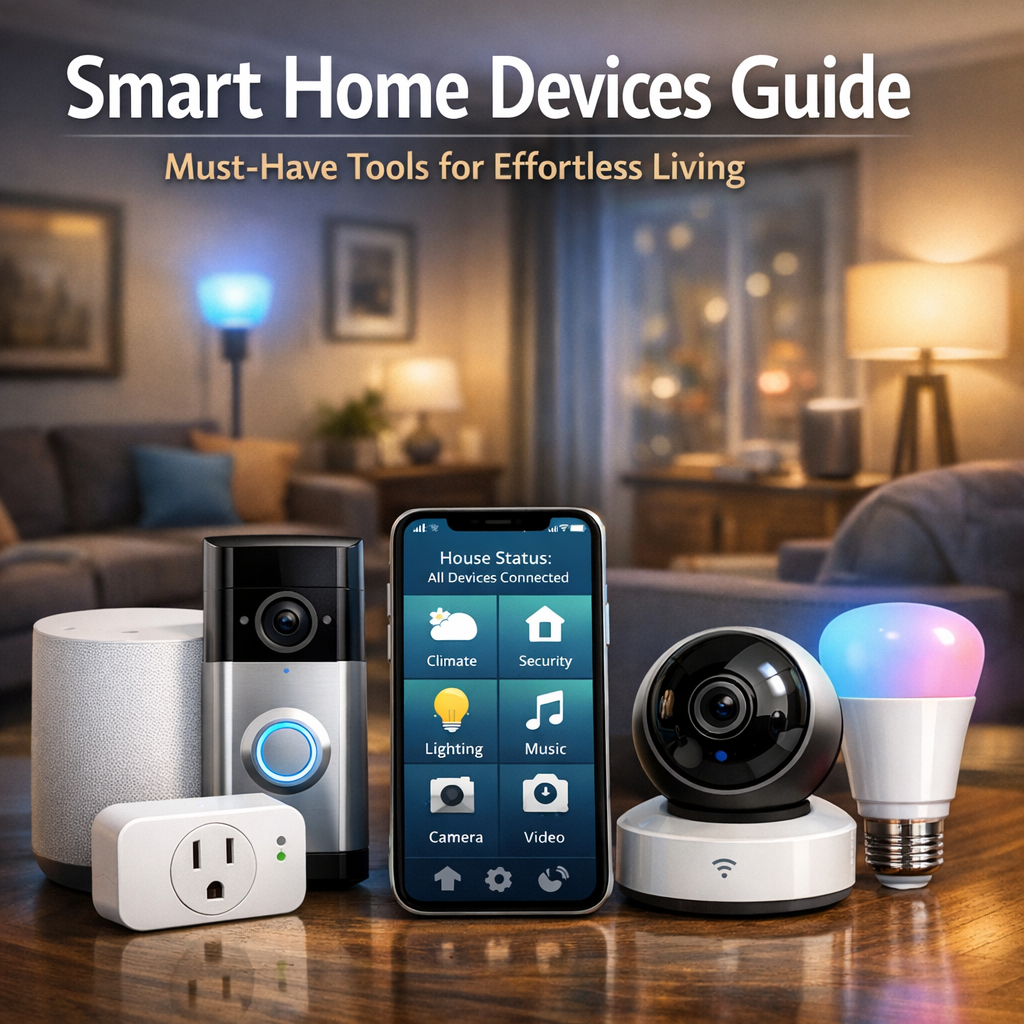
Smart home technology seamlessly integrates various electronic devices, enabling you to control lighting, climate, security systems, and entertainment from a single interface—typically your smartphone or voice assistant. This interconnectedness enhances comfort, improves energy efficiency, and boosts home security, all while saving you valuable time.
Essential Categories in a Smart Home Devices Guide
Before diving into specific products, it’s important to categorize smart home devices based on their function and benefit. This way, you can build your smart home system in a way that best suits your needs.
Home Automation and Voice Assistants
A central hub or voice assistant is the brain of most smart homes. Devices such as Amazon Echo (Alexa), Google Nest Hub, and Apple HomePod provide hands-free control and integration for all your smart devices. They allow you to:
– Issue voice commands to turn on/off lights
– Play music or podcasts
– Set reminders or alarms
– Control thermostats and smart plugs
– Access home security cameras
Choosing a voice assistant that supports a broad range of compatible devices is key for a smooth experience.
Smart Lighting for Convenience and Energy Savings
Next on the list of must-have smart home devices are smart bulbs, switches, and lighting systems. Philips Hue, LIFX, and TP-Link Kasa are popular brands offering customizable lighting solutions that can be controlled remotely or set on schedules. Smart lighting helps:
– Create ambiance for different times of day
– Reduce electricity bills by automating usage
– Enhance home security by mimicking occupancy when away
The ability to adjust brightness and color temperature can also positively impact mood and productivity.
Intelligent Climate Control Systems
A smart thermostat is a game changer when it comes to cutting utility bills without sacrificing comfort. Devices like the Nest Learning Thermostat, Ecobee, and Honeywell Home adapt to your routines, automatically adjusting heating and cooling. Key benefits include:
– Remote temperature control via smartphone
– Learning your daily patterns to optimize usage
– Integrations with other smart devices for enhanced home automation
By maintaining efficient energy use, smart thermostats contribute both to cost savings and environmental conservation.
Home Security and Monitoring
Security remains a top priority, and having a robust smart home security setup offers peace of mind. Consider including these smart security elements:
– Smart cameras: Arlo, Ring, and Google Nest cameras provide live streaming and motion alerts.
– Video doorbells: Allow you to see and talk to visitors even when you’re not home.
– Smart locks: August and Schlage locks enable keyless entry and remote locking/unlocking.
Most systems offer integration with smartphone apps for real-time notifications and control, ensuring your home is secure 24/7.
Entertainment and Connectivity
To round off your smart home ecosystem, integrating smart entertainment devices enhances your leisure time. Smart TVs, streaming devices like Roku or Amazon Fire Stick, and smart speakers create an immersive experience that can be easily controlled by voice or app. When combined with home automation, you can program system-wide scenarios such as “movie time,” dimming lights and starting the TV simultaneously.
Building Your Smart Home: Tips for Beginners
1. Start Small: Begin with one or two devices to get comfortable with how they work before expanding your system.
2. Check Compatibility: Ensure your devices work well with your chosen voice assistant or home hub.
3. Prioritize Security: Use strong passwords, update firmware regularly, and enable two-factor authentication where possible.
4. Plan Your Network: A strong and reliable Wi-Fi network is crucial for seamless communication between devices.
5. Use Scenes and Automations: Leverage scheduling and automation features to enhance convenience and efficiency.
Final Thoughts on Our Smart Home Devices Guide
Implementing smart home technology is no longer a futuristic dream, but a practical way to simplify your life. By consulting a detailed smart home devices guide, homeowners can make informed decisions about which tools will best meet their needs. Whether it’s improving energy efficiency, enhancing security, or adding comfort, these smart devices integrate effortlessly to create a modern living environment where technology works for you—not the other way around.
Start exploring the range of smart home devices today and take the first step toward effortless living. The future of home management is at your fingertips!