Smart Lighting Tips: Must-Have Tricks for Effortless Brightness
Smart lighting has revolutionized the way we illuminate our homes, offering convenience, efficiency, and enhanced control over ambiance. Whether you’re new to smart home technology or looking to optimize your existing setup, implementing the right smart lighting tips can transform your living spaces effortlessly. From adjusting brightness levels to creating mood-enhancing scenes, these must-have tricks will help you get the most out of your smart bulbs and lighting systems.
Understanding the Basics of Smart Lighting
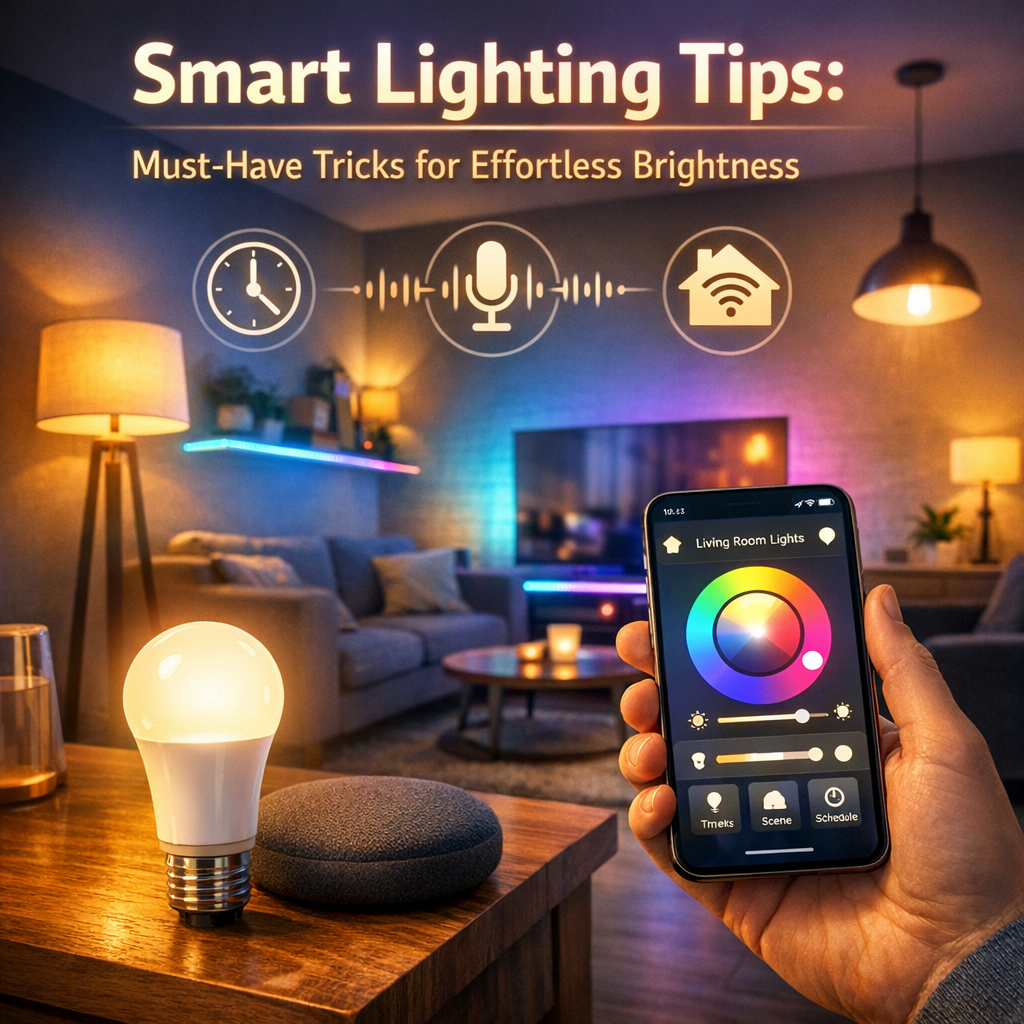
Before diving into the tips, it’s essential to know what makes smart lighting systems unique. Unlike traditional bulbs, smart lights connect to Wi-Fi or Bluetooth, allowing remote control via smartphone apps, voice assistants, or automation rules. Many models support adjustable brightness, color changes, and scheduling, giving you full command over your environment with ease.
Smart Lighting Tips for Seamless Brightness Control
1. Utilize Dimmer Functions Effectively
One of the main advantages of smart lighting is the ability to adjust brightness precisely. Instead of having a simple on/off switch, you can set the perfect amount of light for any situation. Use dimmer settings to reduce glare and create a softer atmosphere during evenings or while watching TV. Most smart bulbs come with a dimming feature accessible through their app or voice commands.
2. Schedule Lighting for Natural Rhythms
Scheduling your smart lights to mimic natural daylight patterns can improve your daily routine and wellbeing. For instance, set your lights to gradually increase in brightness in the morning to simulate sunrise, helping you wake up more naturally. In the evening, lower brightness levels can signal your body it’s time to wind down. Many smart lighting systems include easy-to-use scheduling features, so take advantage of automatic brightness adjustments.
3. Experiment with Color Temperature
Besides brightness, color temperature plays a vital role in how light affects mood and productivity. Cool white lights (around 5000K-6500K) promote focus and alertness, making them excellent for workspaces, while warm white lights (2700K-3000K) create cozy, relaxing environments suited for living rooms and bedrooms. Use smart lighting apps to switch between these temperatures based on the time of day or activity.
4. Create Scenes and Automation
Smart lighting tips always highlight the power of custom scenes. Scenes are pre-set configurations that adjust brightness, color, and sometimes even light position, all triggered by a tap or voice command. For example, you can program a “Dinner Mode” with dimmed, warm lights or a “Reading Mode” with bright, cool illumination. Automate these scenes to activate during specific times or based on your presence detected through smart sensors.
Enhancing Energy Efficiency with Smart Lighting Tips
5. Take Advantage of Motion Sensors
Incorporating motion sensors into your smart lighting setup is a practical way to save energy. Lights automatically turn on when you enter a room and switch off after a preset duration of inactivity. This not only prevents wasting electricity but ensures that your home is never in the dark when needed. Many smart lighting brands offer sensor-compatible bulbs or fixtures that integrate seamlessly with your existing system.
6. Monitor and Manage Usage
Another useful tip for smart light users is to monitor energy consumption through apps or smart home hubs. Certain systems provide insights and reports about your lighting usage, helping you identify areas where you can reduce brightness or shorten lighting durations. This information empowers you to make conscious choices that cut down your energy bills without sacrificing comfort.
Smart Lighting Tips for Convenience and Style
7. Use Voice Control for Hands-Free Operation
One of the top benefits of smart lighting is the ease of voice commands. Pair your smart bulbs with popular voice assistants like Amazon Alexa, Google Assistant, or Apple’s Siri. This way, adjusting brightness or activating scenes becomes effortless—simply say commands like “dim the living room lights” or “turn on the night light.” Voice control is especially useful when your hands are full or you want quick changes without navigating apps.
8. Mix and Match Smart Bulbs for Layered Lighting
For a stylish and functional look, use different types of smart bulbs within the same room. Combine overhead smart bulbs with smart lamps and accent lighting to create depth and enhance the overall atmosphere. Adjust brightness individually or collectively through your app, tailoring brightness levels to both aesthetics and tasks.
9. Ensure Compatibility for Optimal Performance
When adding new smart lights to your home, ensure they are compatible with your existing system and hubs. Seamless integration means you can control all your lights from one app, avoiding confusion and making automation simpler. Check for compatibility with popular platforms and protocols such as Zigbee, Z-Wave, or Wi-Fi before purchasing.
Conclusion
Adopting smart lighting tips can elevate not only the functionality but also the ambiance of your home without complexity. Through smart scheduling, dimming, color adjustments, and automation, you gain effortless control over brightness and atmosphere. Whether aiming for energy savings or a more comfortable environment, these essential tricks make managing your lighting a breeze. Embrace these strategies and watch your home come to life with smart brilliance!